



Why Water Comfort Is Only the First Step
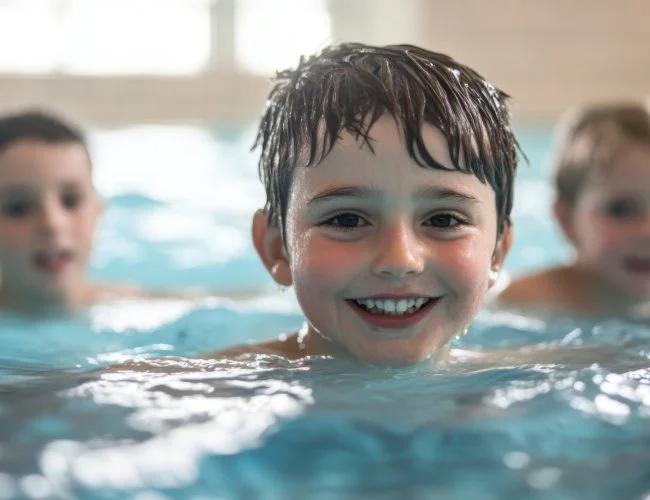
For parents, seeing a child smile, splash, and enjoy the pool is a big win. It shows that the water is starting to feel familiar rather than overwhelming.
But real competence comes from what happens next. As kids move beyond early water comfort, private 1-on-1 swim and safety lessons help them move beyond just "playing" to becoming genuinely confident and capable swimmers.
Comfort vs. Competence in the Water
It’s common for kids to feel comfortable in the water before they can actually swim. They may enjoy playing, jumping in, or moving around with support.
Competence looks different. It means your child can:
- Stay afloat with control
- Manage their breathing
- Move intentionally through the water
- Recover their position when needed
Understanding this difference helps set clearer expectations. Comfort is a great start, but competence supports safer, more independent movement.
How Kids Actually Learn to Swim
Children learn to swim step by step, not all at once. Each skill builds on the one before it, and repetition plays a big role in making those skills feel natural.
At first, your child may focus on simple movements and getting used to the water. Over time, those small steps turn into more coordinated actions and better control.
Progress can look different for every child. Some move quickly, while others take more time. What matters most is consistent practice and a supportive environment that allows your child to build skills at their own pace.
Core Skills That Build Real Swim Ability
Real swim ability comes from a combination of foundational skills that work together. These are the building blocks that help your child swim more confidently and with better control.
Key skills include:
- Floating on the front and back
- Controlling breathing in the water
- Kicking and coordinating movement
- Entering and exiting the water safely
- Swimming short distances independently
Each of these skills takes time to develop. With regular practice, your child begins to connect them and move more naturally in the water.
Why Confidence Comes from Skill, Not Just Exposure
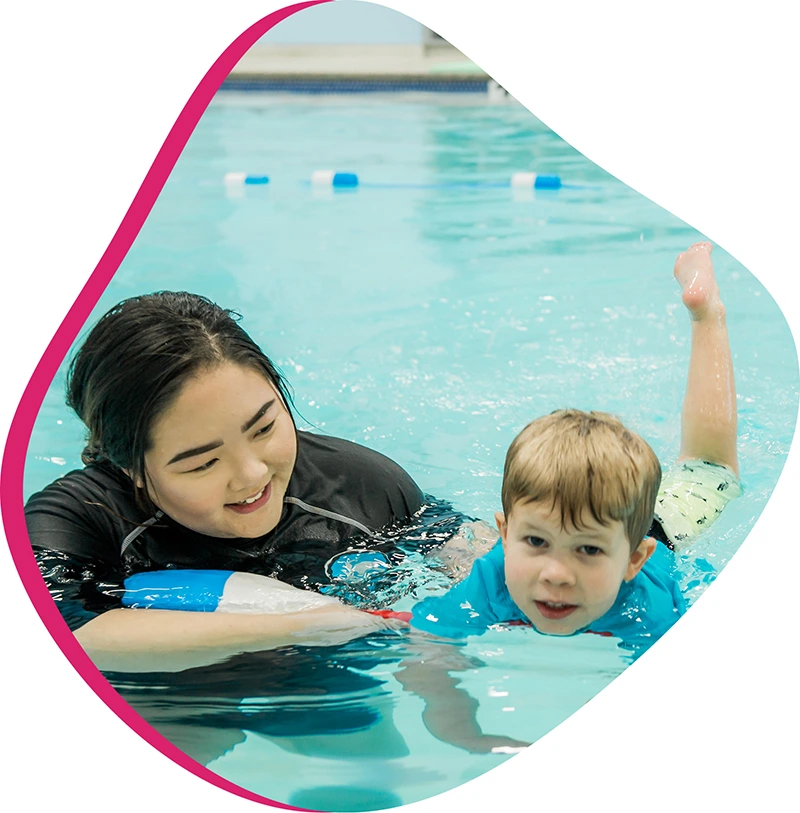
Real confidence grows when kids know they can handle themselves in the water.
Exposure alone may create temporary comfort, but actual skills create lasting self-assurance that carries into every pool, lake, or beach experience. This skill-based confidence supports the mission to teach the art of swim in a safer and fun manner.
Because drowning is preventable, equipping kids with real competence is the most powerful layer of protection a parent can provide.
Frequently Asked Questions
How long does it take a child to learn to swim?
Every child learns at a different pace, depending on age, comfort level, and consistency. Regular lessons over time help build stronger and more reliable skills.
At what age should kids start swim lessons?
Many children can begin swim lessons as early as 6 months, with more structured learning developing as they grow. Starting early helps build comfort and familiarity in the water.
How often should kids take swim lessons?
Most children benefit from lessons once or twice per week. Consistency helps reinforce skills and supports steady progress.
Can kids learn to swim without formal lessons?
Some children may learn basic skills over time, but structured lessons provide guidance, consistency, and skill progression. This helps build more reliable and complete swim ability.
What makes a child a strong swimmer?
A strong swimmer can float, control their breathing, and move independently with confidence. It also means they can respond calmly in different water situations.
Help Your Child Build Real Swim Skills That Last
Building real swim skills takes time, consistency, and the right kind of support.
Start your child’s progress with structured lessons designed to help them move confidently and in control in the water.